
Get A Quote Now!
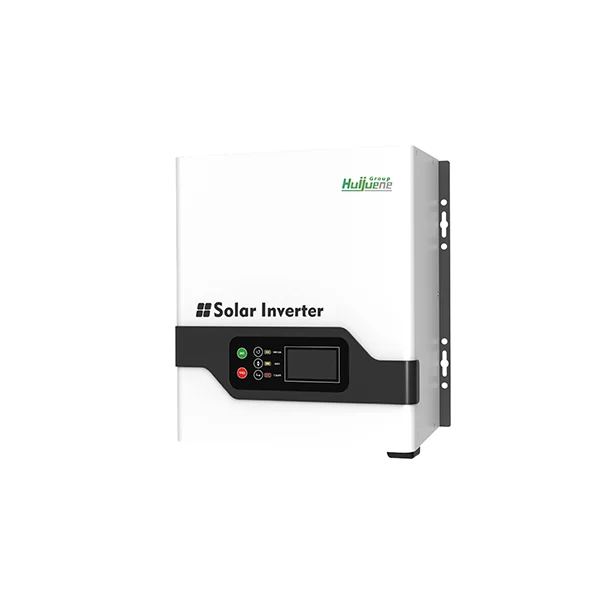
What is a pure sine wave inverter?
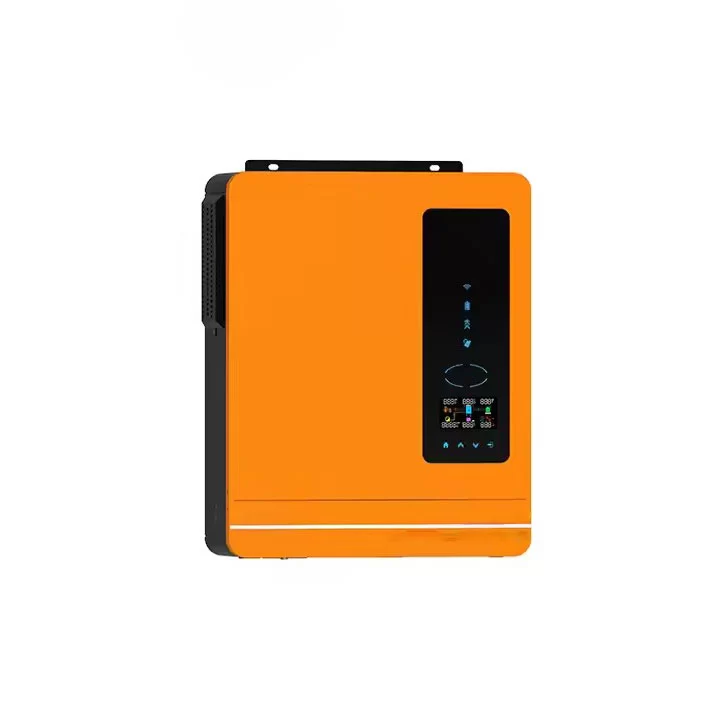
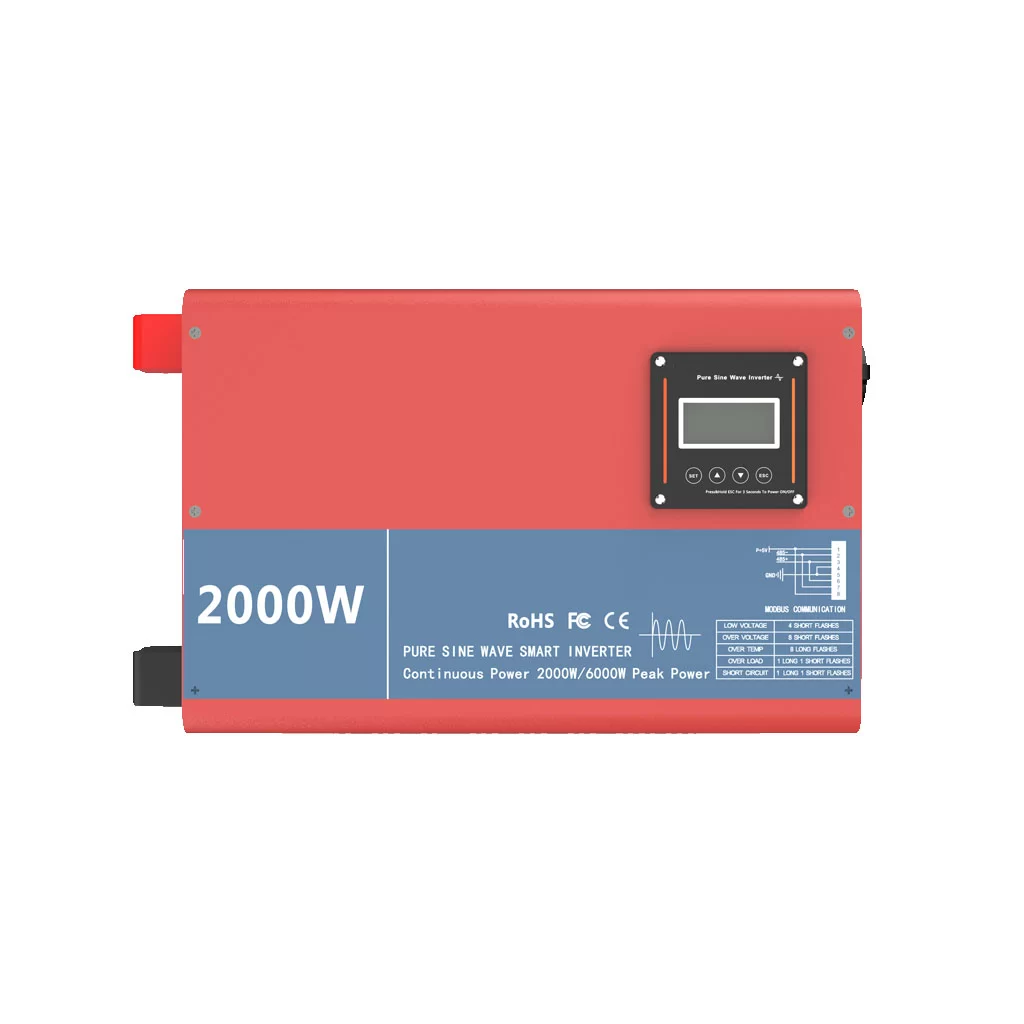
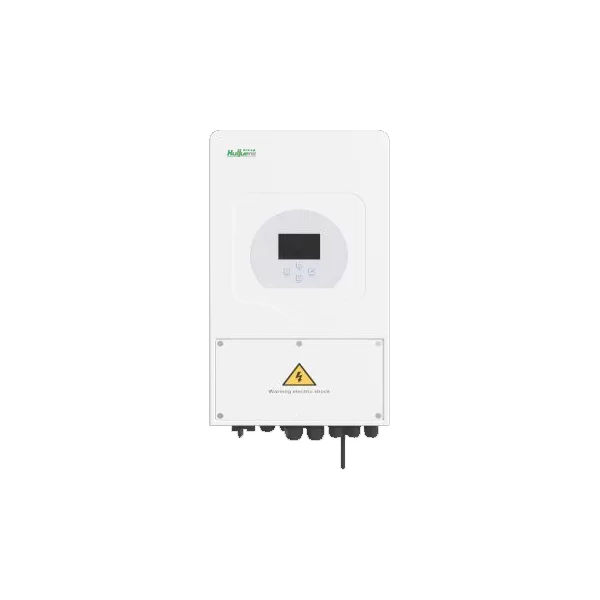
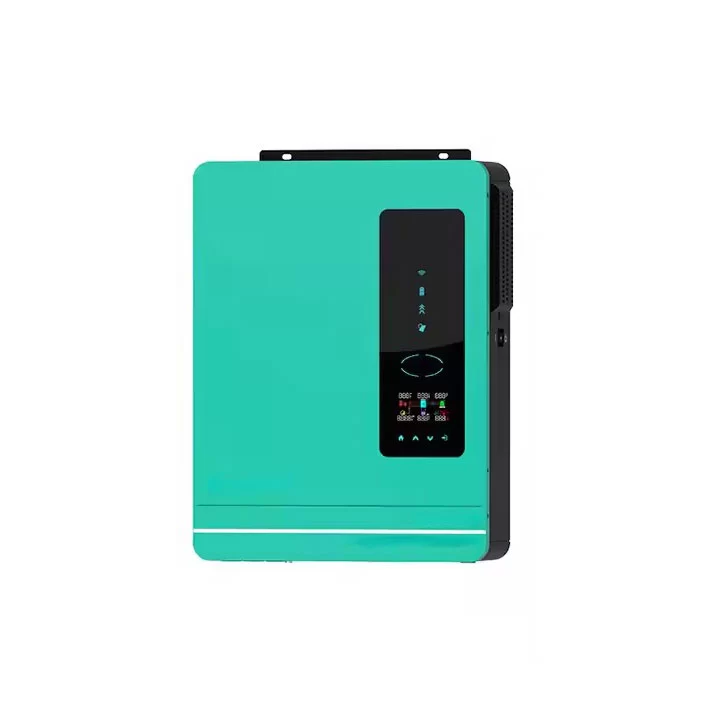
A pure sine wave inverter is that which converts direct current into smooth, alternating current similar to high-quality electricity supplied by utility grids. The clean waveform delivered is important for sensitive electronics and forms the heart of every solar or hybrid solar inverter system. Inside the first section you will learn exactly how it produces stable power and why it is widely used across modern energy systems.
How a pure sine wave inverter works in solar applications
A pure sine wave inverter creates an AC output that is in a smooth curve, rather than a stepped or distorted pattern. This shape avoids electrical stress, noise, and excessive heat that may arise from lower-quality waveforms. Solar systems depend on waveform stability because sunlight varies through the day and DC production can fluctuate without control electronics.
Conversion stages inside the inverter
The inverter receives direct current from the batteries or solar charge controllers. It boosts the voltage with internal switching circuits and forms the final alternating output through control algorithms and pulse width modulation. All these processes keep waveform accuracy high and distortion low, even at changing load conditions.
Why precise waveforms matter
Appliances with motors, compressors, or microprocessors depend on stable and predictable current. A clean sine wave output prevents flicker, vibration, and premature wear. Devices such as televisions, medical tools, laptops, and variable speed motors perform far better under a pure sine wave than under a stepped waveform.
Role of pure sine wave inverters in solar inverter and hybrid solar inverter systems
In grid connected solar systems the inverter has to satisfy rigorous performance and reliability requirements. A report from Sandia National Laboratories hosted by the United States Department of Energy underlines that “grid tied photovoltaic inverters need to provide reliable output to preserve network stability and minimize disruptions” (Sandia National Laboratories Utility scale grid tied PV inverter reliability workshop summary report). These grid requirements make pure sine wave output necessary any time solar equipment interfaces with public networks.
The hybrid solar inverter systems work with a mix of solar power and batteries, sometimes generator input. They change modes according to weather or demand. Therefore, because transitions occur quite often, waveform consistency is also important. Pure sine wave inverter systems allow smooth changes in source, with no malfunctioning of appliances or voltage instability.
Compliance and power quality in practical networks
A study published in the Energy Systems journal by Springer shows that waveform quality strongly influences voltage stability and compliance in microinverter grid-connected solar systems. The research has found that purity of waveform maintains reliable performance across low voltage networks. This fact corroborates that pure sine wave inverters play a significant role in every kind of distributed generation.
Advantages of pure sine wave inverters
Pure sine wave inverters have numerous clear-cut advantages, making them the perfect choice for every modern solar installation.
Reliable performance for sensitive electronics
Clean output helps microprocessor-based devices operate smoothly. Computers, precision instruments, and medical electronics work more safely under a pure sine wave supply.
Higher efficiency
Motors and compressors start more easily and avoid unnecessary energy loss. This improves the long-term efficiency of the system, especially in air conditioners, pumps, and power tools.
Improved audio and video quality
Fewer artifacts and less electrical noise are evident in sound systems and projectors powered by a pure sine wave, which improves clarity in professional environments.
Reduced electrical stress
Smoother voltage and current transitions reduce mechanical and thermal stress on motors and transformers, thus prolonging the life of such equipment.
Broad compatibility
A pure sine wave inverter can run any appliance designed for grid power without exception. This universal compatibility eliminates guesswork when expanding a solar system.
Pure sine wave inverter versus modified sine wave inverter
The table below shows the main differences between two common inverter types.
| Feature | Pure sine wave inverter | Modified sine wave inverter |
| Output waveform | Smooth sine waveform | Stepped waveform |
| Sensitive electronics | Performs best | May cause noise or heat issues |
| Efficiency | Higher | Moderate |
| Cost | Higher | Lower |
| Appliance compatibility | Compatible with all devices | Not suitable for precision devices |
cases
In 2023 a homeowner in Nevada upgraded an off-grid cabin system with the replacement of an older modified waveform inverter with a new pure sine wave model. After the upgrade, the refrigerator ran more quietly, and the home theater system did not exhibit any further audio interference. A small medical device also ran with greater stability when the batteries took over during nighttime operation.
In 2022, a woodworking studio located in rural Victoria upgraded its hybrid solar setup. The power tools with induction motors started more smoothly once switched to a pure sine wave inverter. The improved waveform reduced motor temperature during extended use, lowering the maintenance cost and increasing tool reliability for daily production.
How to choose a pure sine wave inverter
Sizing a pure sine wave inverter starts with identifying the essential loads and estimating peak demand. Most appliances with motors require strong surge capacity when starting up. Slightly oversizing ensures dependable operation.
Determine next whether your system connects to the utility grid. Any configuration that sends energy to the grid must maintain strict waveform standards, which reinforces the value of pure sine wave technology. Hybrid systems deserve extra attention because they blend battery and solar input frequently.
Ensure the inverter uses safety protections such as temperature monitoring and overload management, including an auto-shutoff in case of malfunction. High-quality models continue to produce consistent waveform accuracy even during sudden load changes.
Final thoughts
A pure sine wave inverter is a key component for anyone operating solar inverter or hybrid solar inverter systems. Its stable waveform protects sensitive appliances, enhances efficiency, and supports compliance with real-world power quality requirements, as demonstrated in both national laboratory research and academic studies. If you want to build or upgrade your solar system, then you can check our other guides for practical support.